


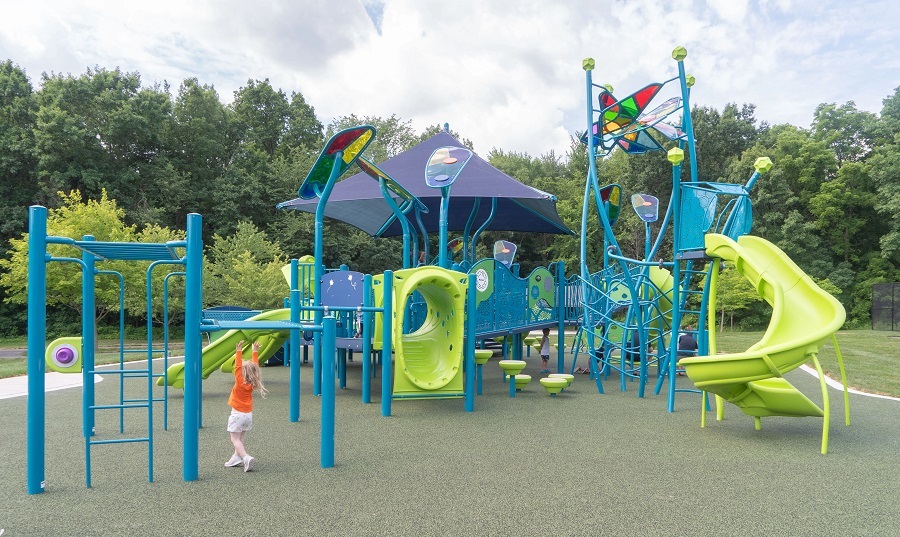
Oakland County, Michigan, is embarking on a bold new initiative to revamp and expand its parks system, with a focus on increasing accessibility, particularly in urban areas. The initiative, known as Mission 26, aims to transform the county’s outdoor spaces into vibrant, accessible, and sustainable recreational hubs for all residents. This significant transformation follows over six decades since voters first approved the establishment of the county’s parks system through a millage.
The “Mission 26” plan, which is funded by a public millage passed in 2024, seeks to modernize and expand Oakland County Parks, enhancing the connection between local communities and green spaces. The plan includes a number of strategic improvements, including the development of new parks, the revitalization of existing ones, and the conversion of underutilized spaces into nature preserves. Notable projects include the expansion of urban partnerships, with a major focus on Pontiac Oaks County Park, and the creation of Oak Park Woods at Sheppard Park.
According to Chris Ward, the Director of Oakland County Parks and Recreation, the initiative is rooted in a “green vision” for the county’s future, with a strong emphasis on creating accessible spaces for recreation and wellness. “The overwhelming support for this proposal reflects how deeply our community values outdoor spaces as part of a healthy, active lifestyle,” Ward said.
In addition to the physical improvements, the county has introduced the Co-Creation Lab, an online portal that allows residents to actively participate in shaping the future of the parks system. By engaging the community in the planning process, the county aims to ensure that its parks meet the evolving needs of its diverse population.
Ward emphasized that the success of the revamped parks system will be measured not only by the number of parks but by how actively they are used. “Empty parking lots are a missed opportunity. Our goal is to create spaces that people truly use and enjoy,” Ward stated.
The “Mission 26” initiative represents a bold and forward-thinking approach to community wellness, environmental sustainability, and public engagement, marking a new chapter in the county’s commitment to preserving green spaces while improving quality of life for its residents.
This story is part of The Detroit Tree Canopy Project, a continuing series that explores the region’s commitment to environmental sustainability and public health.
