


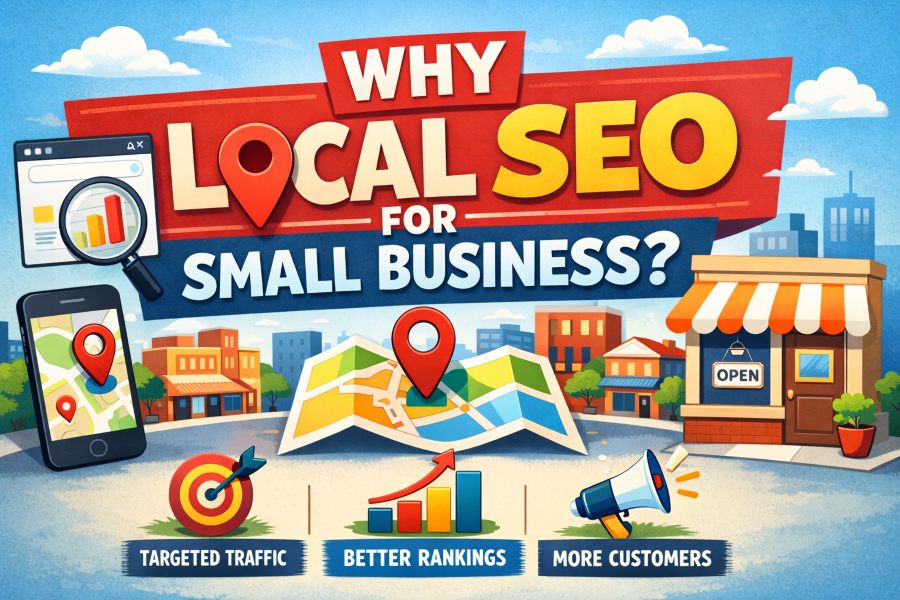
Local SEO works because it targets intent, not just traffic. A person who searches for “plumber near me,” “best dentist in town,” or “coffee shop open now” is not browsing. They are choosing. Local SEO helps you appear at the exact decision point, where one call or one tap can become real revenue. It also levels the playing field. Big brands may have huge budgets, but local search results favor proximity, reputation, and relevance. That means a well-optimized local business can outrank a larger competitor if it has a stronger Google Business Profile, better reviews, clearer service information, and consistent local signals. The smartest part is that local SEO compounds. Every review, every updated photo, every accurate citation, and every local page improvement strengthens your visibility over time. Instead of paying repeatedly for ads, you build a local presence that keeps producing calls, visits, and bookings.
Why Local SEO Helps Small Businesses Win More Customers
Local SEO helps small businesses win because most customers decide online, even when they buy offline. People search nearby options, read reviews, check hours, and choose the business that looks trusted and easy to reach. If you do not appear in local results, you lose those customers before they ever call or visit.
Unlike broad SEO that attracts traffic from anywhere, local SEO targets people who can actually become buyers in your area. That makes every click more valuable, because local search often carries strong purchase intent. Google also highlights local businesses through the map pack, which shows ratings, distance, and directions. Ranking there puts your business in the most visible position.
Reviews play a major role too. They build instant trust and increase conversions, especially for services where customers fear a bad choice. Over time, local SEO becomes a long-term asset. Accurate business info, an active Google Business Profile, and steady reviews keep generating leads without paying for every click. It improves visibility and conversions at the same time.
How Google Ranks Local Businesses
Google ranks local businesses using relevance, distance, and prominence, plus profile quality, reviews, citations, and website location signals.
Relevance: how well you match the search
Google checks whether your business category, services, and content match what the user typed.
Distance: how close you are to the searcher
Proximity matters in map results. You cannot change where you are, but you can target the right nearby areas.
Prominence: how trusted and well-known you look
Reviews, citations, links, and brand mentions all feed prominence. This is where small businesses can grow faster than they expect.
Google Business Profile: the local SEO control panel
Your GBP influences visibility in maps, calls, direction requests, and bookings. It is often the highest-impact local asset.
Website signals that support local rankings
Local service pages, clear NAP details, schema, and location-focused content help Google trust your relevance.
What Is the Quickest Local SEO Checklist?
If you want results without overwhelm, focus on the basics that directly influence maps visibility, trust, and conversions. Local SEO rewards consistency, not complexity.
- Claim and fully optimize your Google Business Profile
Add correct categories, services, hours, photos, and a clear business description. - Fix NAP everywhere
Make sure your Name, Address, and Phone number match exactly across your website and directories. - Collect reviews consistently
Ask happy customers. Reply to reviews. Aim for steady growth, not one-time spikes. - Add local service pages on your website
Create pages for key services and location areas so Google understands what you do and where. - Add basic local schema markup
Help search engines interpret your business info and services more accurately. - Build citations and directory listings
Get listed on reputable directories and ensure the details match your GBP. - Use real photos and updates
Regular photos and posts signal that your business is active and trustworthy. - Track calls, direction requests, and form submissions
Measure what matters: leads and sales actions, not just rankings.
When Should Small Businesses Focus on Each Local SEO Step?
Timing matters because small businesses have limited time and budget, so you should prioritize the steps that improve visibility the fastest. Start with your Google Business Profile. Correct categories, services, hours, and contact details, then add fresh photos. This often creates the quickest lift because map results drive high-intent calls and visits.
Next, fix NAP consistency across your website and directories. Small mismatches like an old phone number or slightly different address formatting can confuse Google and weaken trust. Once your information is consistent, focus on reviews. Ask customers regularly, respond professionally, and aim for steady growth because reviews influence rankings and conversions.
After that, improve your website structure. Build clear service pages and location pages that match how people search, so Google understands what you offer and where you serve. Then move into authority building through citations, local links, community mentions, and local content.
Finally, maintain momentum. Update your profile, add photos, and keep reviews coming. Consistency is what keeps local SEO growing instead of fading.
What Mistakes Kill Local SEO for Small Business?
- Wrong or missing business categories
Bad categories reduce relevance and stop you from showing in the right searches. - NAP inconsistencies across directories
Different phone numbers or addresses weaken trust and confuse local ranking signals. - Ignoring reviews or never asking for them
No reviews looks risky. No replies looks inactive. Both reduce conversions. - Using one generic service page only
Google needs clarity. Customers need clarity. Thin pages hurt both rankings and sales. - Spammy tactics and fake locations
Keyword stuffing and fake addresses can trigger penalties and destroy visibility. - No tracking or conversion focus
Rankings are meaningless if calls and bookings do not grow. Track real actions.
Conclusion
Why local seo for small business works is not a mystery. It targets nearby customers at the exact moment they are ready to buy. Local SEO improves maps visibility, builds trust through reviews, and turns searchers into calls, visits, and bookings. When you optimize your Google Business Profile, keep your business info consistent, collect reviews steadily, and build local authority, your presence grows stronger every month. The best part is that it compounds. Instead of paying for every click, you build a local asset that keeps producing customers.
FAQs
What is local SEO in simple terms?
Local SEO helps your business show up in Google Maps and local results so nearby customers can find, call, and visit you.
How fast can local SEO work for a small business?
Some improvements show in weeks, especially GBP and review growth, but stronger results usually build over 2 to 4 months.
Do I need a website for local SEO?
A website helps a lot, but GBP optimization, reviews, and citations can still drive calls. The best results happen when you combine both.
What is the most important local SEO factor?
Your Google Business Profile, reviews, and NAP consistency usually create the biggest impact for most local categories.
How many reviews do I need to rank locally?
There is no magic number. Consistent new reviews, good ratings, and strong review responses matter more than chasing a specific count.
Can small businesses beat big brands with local SEO?
Yes. Local rankings reward relevance, proximity, and trust. A well-optimized small business can outrank bigger competitors in the same area.
